AI and Helpful Platforms for Education: Revolutionizing the Future of Learning
AI and Helpful Platforms for Education: Revolutionizing the Future of Learning
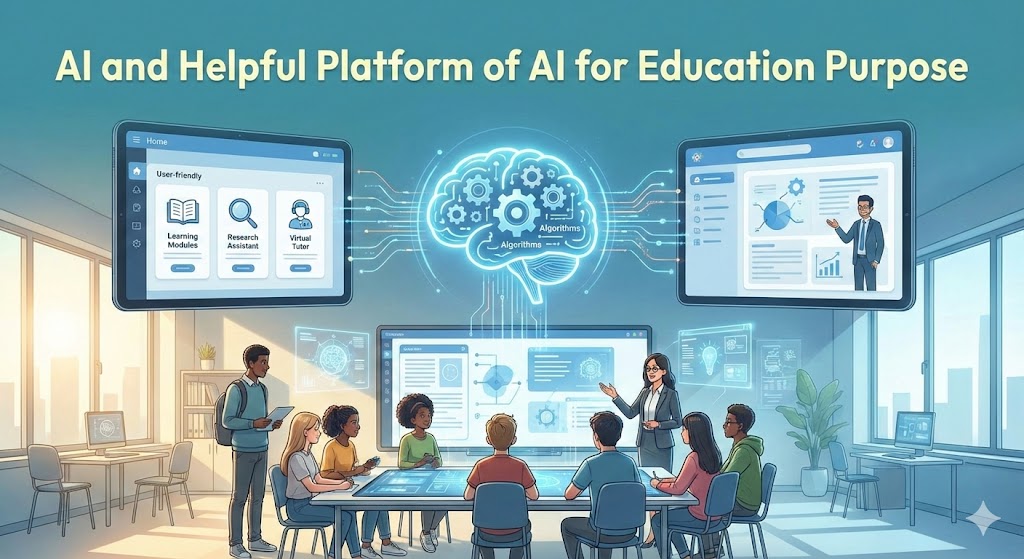
The integration of Artificial Intelligence (AI) in education is shaping the future of learning, making it more personalized, efficient, and accessible. Through a combination of AI-powered tools and platforms, education is evolving to meet the diverse needs of students and educators. Here’s a closer look at how AI is making a positive impact in the educational sector:
1. Personalized Learning Experience 🧑🏫
AI-powered platforms help personalize education by tailoring learning content to the individual needs of students. Using data analytics, these systems track students' progress, identify gaps in their learning, and recommend specific resources for improvement. This ensures that each student receives content suited to their pace and level of understanding.
-
Example Platforms: DreamBox Learning, Knewton, Smart Sparrow
2. AI-Powered Tutoring Systems 🤖
Virtual AI tutors provide 24/7 support to students, answering questions, explaining concepts, and giving feedback in real-time. These AI systems can adapt to different learning levels, offering students explanations tailored to their needs. This helps students learn independently outside of school hours and strengthens their grasp of difficult topics.
-
Example Platforms: Socratic, Quizlet, Brighterly
3. Intelligent Assessment and Feedback 📊
AI makes grading and feedback more efficient and accurate. With AI-powered tools, teachers can automate the grading of quizzes, essays, and assignments, providing real-time feedback to students. AI algorithms analyze responses to give insights into student performance, identify weaknesses, and suggest ways for improvement.
-
Example Platforms: Turnitin, Gradescope, FeedbackFruits
4. Automating Administrative Tasks 🗂️
Administrative work, such as scheduling, attendance tracking, and report generation, often takes up valuable time for teachers. AI tools help automate these tasks, allowing educators to focus more on teaching. This leads to greater operational efficiency in schools and reduces the administrative burden on teachers.
-
Example Platforms: Edmodo, Schoology, Google Classroom
5. Enhancing Accessibility in Education 🌍
AI increases accessibility for students with different needs. From text-to-speech tools for visually impaired learners to language translation features for non-native speakers, AI helps ensure all students can engage with educational content, regardless of their personal challenges.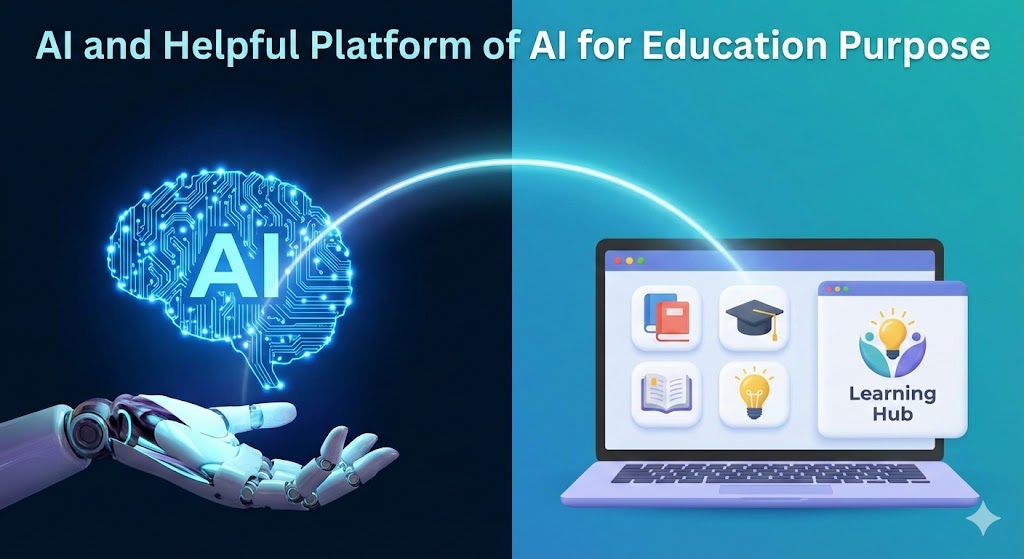
-
Example Platforms: Microsoft Immersive Reader, Read&Write, Google's Live Transcribe
6. Gamification and Engaging Learning Tools 🎮
AI integrates gamification techniques into the curriculum to make learning more enjoyable and engaging. By using interactive challenges, rewards, and real-time feedback, AI-based platforms help motivate students, boosting participation and retention of knowledge.
-
Example Platforms: Kahoot!, Duolingo, Prodigy Math Game
7. Supporting Teachers with Data-Driven Insights 📈
AI can collect and analyze classroom data, providing teachers with insights into student performance. These insights allow educators to make data-driven decisions, adapt lessons based on student needs, and intervene when students are struggling. It helps teachers fine-tune their teaching strategies for better results.
-
Example Platforms: Socrative, Plickers, Tableau Education
8. Expanding Access to Remote and Online Learning 🌐
AI plays a crucial role in expanding access to education worldwide, especially through online learning platforms. These AI-powered systems provide on-demand, self-paced learning opportunities that are accessible from anywhere, breaking down barriers like location and affordability.
-
Example Platforms: Coursera, edX, Khan Academy
9. Encouraging Collaborative Learning 🤝
AI can also foster collaborative learning by creating spaces where students work together on projects, share resources, and provide peer feedback. AI tools can assess group dynamics and suggest ways to improve collaboration, promoting teamwork and collective problem-solving.
-
Example Platforms: Google Workspace for Education, Padlet, Miro
10. Facilitating Continuous Learning and Upskilling 📚
AI-powered platforms can support lifelong learning by offering resources for adults looking to continue their education. Whether it's a career change, acquiring new skills, or staying updated with industry trends, AI tools provide access to specialized courses, certifications, and training programs.
-
Example Platforms: LinkedIn Learning, Udacity, Pluralsight
Conclusion: The Bright Future of AI in Education 🌟
AI’s role in education is continually expanding, driving innovations that make learning more personalized, efficient, and accessible. With AI-powered platforms enhancing the teaching and learning experience, students and educators alike benefit from more tailored and engaging interactions. By embracing AI, the education system is evolving into a more inclusive, dynamic, and data-driven environment, empowering both teachers and learners to thrive.
AI and Helpful Platforms for Education: Revolutionizing the Future of Learning
The integration of Artificial Intelligence (AI) in education is shaping the future of learning, making it more personalized, efficient, and accessible. Through a combination of AI-powered tools and platforms, education is evolving to meet the diverse needs of students and educators. Here’s a closer look at how AI is making a positive impact in the educational sector:
1. Personalized Learning Experience 🧑🏫
AI-powered platforms help personalize education by tailoring learning content to the individual needs of students. Using data analytics, these systems track students' progress, identify gaps in their learning, and recommend specific resources for improvement. This ensures that each student receives content suited to their pace and level of understanding.
-
Example Platforms: DreamBox Learning, Knewton, Smart Sparrow
2. AI-Powered Tutoring Systems 🤖
Virtual AI tutors provide 24/7 support to students, answering questions, explaining concepts, and giving feedback in real-time. These AI systems can adapt to different learning levels, offering students explanations tailored to their needs. This helps students learn independently outside of school hours and strengthens their grasp of difficult topics.
-
Example Platforms: Socratic, Quizlet, Brighterly
3. Intelligent Assessment and Feedback 📊
AI makes grading and feedback more efficient and accurate. With AI-powered tools, teachers can automate the grading of quizzes, essays, and assignments, providing real-time feedback to students. AI algorithms analyze responses to give insights into student performance, identify weaknesses, and suggest ways for improvement.
-
Example Platforms: Turnitin, Gradescope, FeedbackFruits
4. Automating Administrative Tasks 🗂️
Administrative work, such as scheduling, attendance tracking, and report generation, often takes up valuable time for teachers. AI tools help automate these tasks, allowing educators to focus more on teaching. This leads to greater operational efficiency in schools and reduces the administrative burden on teachers.
-
Example Platforms: Edmodo, Schoology, Google Classroom
5. Enhancing Accessibility in Education 🌍
AI increases accessibility for students with different needs. From text-to-speech tools for visually impaired learners to language translation features for non-native speakers, AI helps ensure all students can engage with educational content, regardless of their personal challenges.
-
Example Platforms: Microsoft Immersive Reader, Read&Write, Google's Live Transcribe
6. Gamification and Engaging Learning Tools 🎮
AI integrates gamification techniques into the curriculum to make learning more enjoyable and engaging. By using interactive challenges, rewards, and real-time feedback, AI-based platforms help motivate students, boosting participation and retention of knowledge.
-
Example Platforms: Kahoot!, Duolingo, Prodigy Math Game
7. Supporting Teachers with Data-Driven Insights 📈
AI can collect and analyze classroom data, providing teachers with insights into student performance. These insights allow educators to make data-driven decisions, adapt lessons based on student needs, and intervene when students are struggling. It helps teachers fine-tune their teaching strategies for better results.
-
Example Platforms: Socrative, Plickers, Tableau Education
8. Expanding Access to Remote and Online Learning 🌐
AI plays a crucial role in expanding access to education worldwide, especially through online learning platforms. These AI-powered systems provide on-demand, self-paced learning opportunities that are accessible from anywhere, breaking down barriers like location and affordability.
-
Example Platforms: Coursera, edX, Khan Academy
9. Encouraging Collaborative Learning 🤝
AI can also foster collaborative learning by creating spaces where students work together on projects, share resources, and provide peer feedback. AI tools can assess group dynamics and suggest ways to improve collaboration, promoting teamwork and collective problem-solving.
-
Example Platforms: Google Workspace for Education, Padlet, Miro
10. Facilitating Continuous Learning and Upskilling 📚
AI-powered platforms can support lifelong learning by offering resources for adults looking to continue their education. Whether it's a career change, acquiring new skills, or staying updated with industry trends, AI tools provide access to specialized courses, certifications, and training programs.
-
Example Platforms: LinkedIn Learning, Udacity, Pluralsight
Conclusion: The Bright Future of AI in Education 🌟
AI’s role in education is continually expanding, driving innovations that make learning more personalized, efficient, and accessible. With AI-powered platforms enhancing the teaching and learning experience, students and educators alike benefit from more tailored and engaging interactions. By embracing AI, the education system is evolving into a more inclusive, dynamic, and data-driven environment, empowering both teachers and learners to thrive.
AI and Helpful Platforms for Education: Revolutionizing the Future of Learning
The integration of Artificial Intelligence (AI) in education is shaping the future of learning, making it more personalized, efficient, and accessible. Through a combination of AI-powered tools and platforms, education is evolving to meet the diverse needs of students and educators. Here’s a closer look at how AI is making a positive impact in the educational sector:
1. Personalized Learning Experience 🧑🏫
AI-powered platforms help personalize education by tailoring learning content to the individual needs of students. Using data analytics, these systems track students' progress, identify gaps in their learning, and recommend specific resources for improvement. This ensures that each student receives content suited to their pace and level of understanding.
-
Example Platforms: DreamBox Learning, Knewton, Smart Sparrow
2. AI-Powered Tutoring Systems 🤖
Virtual AI tutors provide 24/7 support to students, answering questions, explaining concepts, and giving feedback in real-time. These AI systems can adapt to different learning levels, offering students explanations tailored to their needs. This helps students learn independently outside of school hours and strengthens their grasp of difficult topics.
-
Example Platforms: Socratic, Quizlet, Brighterly
3. Intelligent Assessment and Feedback 📊
AI makes grading and feedback more efficient and accurate. With AI-powered tools, teachers can automate the grading of quizzes, essays, and assignments, providing real-time feedback to students. AI algorithms analyze responses to give insights into student performance, identify weaknesses, and suggest ways for improvement.
-
Example Platforms: Turnitin, Gradescope, FeedbackFruits
4. Automating Administrative Tasks 🗂️
Administrative work, such as scheduling, attendance tracking, and report generation, often takes up valuable time for teachers. AI tools help automate these tasks, allowing educators to focus more on teaching. This leads to greater operational efficiency in schools and reduces the administrative burden on teachers.
-
Example Platforms: Edmodo, Schoology, Google Classroom
5. Enhancing Accessibility in Education 🌍
AI increases accessibility for students with different needs. From text-to-speech tools for visually impaired learners to language translation features for non-native speakers, AI helps ensure all students can engage with educational content, regardless of their personal challenges.
-
Example Platforms: Microsoft Immersive Reader, Read&Write, Google's Live Transcribe
6. Gamification and Engaging Learning Tools 🎮
AI integrates gamification techniques into the curriculum to make learning more enjoyable and engaging. By using interactive challenges, rewards, and real-time feedback, AI-based platforms help motivate students, boosting participation and retention of knowledge.
-
Example Platforms: Kahoot!, Duolingo, Prodigy Math Game
7. Supporting Teachers with Data-Driven Insights 📈
AI can collect and analyze classroom data, providing teachers with insights into student performance. These insights allow educators to make data-driven decisions, adapt lessons based on student needs, and intervene when students are struggling. It helps teachers fine-tune their teaching strategies for better results.
-
Example Platforms: Socrative, Plickers, Tableau Education
8. Expanding Access to Remote and Online Learning 🌐
AI plays a crucial role in expanding access to education worldwide, especially through online learning platforms. These AI-powered systems provide on-demand, self-paced learning opportunities that are accessible from anywhere, breaking down barriers like location and affordability.
-
Example Platforms: Coursera, edX, Khan Academy
9. Encouraging Collaborative Learning 🤝
AI can also foster collaborative learning by creating spaces where students work together on projects, share resources, and provide peer feedback. AI tools can assess group dynamics and suggest ways to improve collaboration, promoting teamwork and collective problem-solving.
-
Example Platforms: Google Workspace for Education, Padlet, Miro
10. Facilitating Continuous Learning and Upskilling 📚
AI-powered platforms can support lifelong learning by offering resources for adults looking to continue their education. Whether it's a career change, acquiring new skills, or staying updated with industry trends, AI tools provide access to specialized courses, certifications, and training programs.
-
Example Platforms: LinkedIn Learning, Udacity, Pluralsight
Conclusion: The Bright Future of AI in Education 🌟
AI’s role in education is continually expanding, driving innovations that make learning more personalized, efficient, and accessible. With AI-powered platforms enhancing the teaching and learning experience, students and educators alike benefit from more tailored and engaging interactions. By embracing AI, the education system is evolving into a more inclusive, dynamic, and data-driven environment, empowering both teachers and learners to thrive.
AI and Helpful Platforms for Education: Revolutionizing the Future of Learning
The integration of Artificial Intelligence (AI) in education is shaping the future of learning, making it more personalized, efficient, and accessible. Through a combination of AI-powered tools and platforms, education is evolving to meet the diverse needs of students and educators. Here’s a closer look at how AI is making a positive impact in the educational sector:
1. Personalized Learning Experience 🧑🏫
AI-powered platforms help personalize education by tailoring learning content to the individual needs of students. Using data analytics, these systems track students' progress, identify gaps in their learning, and recommend specific resources for improvement. This ensures that each student receives content suited to their pace and level of understanding.
-
Example Platforms: DreamBox Learning, Knewton, Smart Sparrow
2. AI-Powered Tutoring Systems 🤖
Virtual AI tutors provide 24/7 support to students, answering questions, explaining concepts, and giving feedback in real-time. These AI systems can adapt to different learning levels, offering students explanations tailored to their needs. This helps students learn independently outside of school hours and strengthens their grasp of difficult topics.
-
Example Platforms: Socratic, Quizlet, Brighterly
3. Intelligent Assessment and Feedback 📊
AI makes grading and feedback more efficient and accurate. With AI-powered tools, teachers can automate the grading of quizzes, essays, and assignments, providing real-time feedback to students. AI algorithms analyze responses to give insights into student performance, identify weaknesses, and suggest ways for improvement.
-
Example Platforms: Turnitin, Gradescope, FeedbackFruits
4. Automating Administrative Tasks 🗂️
Administrative work, such as scheduling, attendance tracking, and report generation, often takes up valuable time for teachers. AI tools help automate these tasks, allowing educators to focus more on teaching. This leads to greater operational efficiency in schools and reduces the administrative burden on teachers.
-
Example Platforms: Edmodo, Schoology, Google Classroom
5. Enhancing Accessibility in Education 🌍
AI increases accessibility for students with different needs. From text-to-speech tools for visually impaired learners to language translation features for non-native speakers, AI helps ensure all students can engage with educational content, regardless of their personal challenges.
-
Example Platforms: Microsoft Immersive Reader, Read&Write, Google's Live Transcribe
6. Gamification and Engaging Learning Tools 🎮
AI integrates gamification techniques into the curriculum to make learning more enjoyable and engaging. By using interactive challenges, rewards, and real-time feedback, AI-based platforms help motivate students, boosting participation and retention of knowledge.
-
Example Platforms: Kahoot!, Duolingo, Prodigy Math Game
7. Supporting Teachers with Data-Driven Insights 📈
AI can collect and analyze classroom data, providing teachers with insights into student performance. These insights allow educators to make data-driven decisions, adapt lessons based on student needs, and intervene when students are struggling. It helps teachers fine-tune their teaching strategies for better results.
-
Example Platforms: Socrative, Plickers, Tableau Education
8. Expanding Access to Remote and Online Learning 🌐
AI plays a crucial role in expanding access to education worldwide, especially through online learning platforms. These AI-powered systems provide on-demand, self-paced learning opportunities that are accessible from anywhere, breaking down barriers like location and affordability.
-
Example Platforms: Coursera, edX, Khan Academy
9. Encouraging Collaborative Learning 🤝
AI can also foster collaborative learning by creating spaces where students work together on projects, share resources, and provide peer feedback. AI tools can assess group dynamics and suggest ways to improve collaboration, promoting teamwork and collective problem-solving.
-
Example Platforms: Google Workspace for Education, Padlet, Miro
10. Facilitating Continuous Learning and Upskilling 📚
AI-powered platforms can support lifelong learning by offering resources for adults looking to continue their education. Whether it's a career change, acquiring new skills, or staying updated with industry trends, AI tools provide access to specialized courses, certifications, and training programs.
-
Example Platforms: LinkedIn Learning, Udacity, Pluralsight
Conclusion: The Bright Future of AI in Education 🌟
AI’s role in education is continually expanding, driving innovations that make learning more personalized, efficient, and accessible. With AI-powered platforms enhancing the teaching and learning experience, students and educators alike benefit from more tailored and engaging interactions. By embracing AI, the education system is evolving into a more inclusive, dynamic, and data-driven environment, empowering both teachers and learners to thrive.
AI and Helpful Platforms for Education: Revolutionizing the Future of Learning
The integration of Artificial Intelligence (AI) in education is shaping the future of learning, making it more personalized, efficient, and accessible. Through a combination of AI-powered tools and platforms, education is evolving to meet the diverse needs of students and educators. Here’s a closer look at how AI is making a positive impact in the educational sector:
1. Personalized Learning Experience 🧑🏫
AI-powered platforms help personalize education by tailoring learning content to the individual needs of students. Using data analytics, these systems track students' progress, identify gaps in their learning, and recommend specific resources for improvement. This ensures that each student receives content suited to their pace and level of understanding.
-
Example Platforms: DreamBox Learning, Knewton, Smart Sparrow
2. AI-Powered Tutoring Systems 🤖
Virtual AI tutors provide 24/7 support to students, answering questions, explaining concepts, and giving feedback in real-time. These AI systems can adapt to different learning levels, offering students explanations tailored to their needs. This helps students learn independently outside of school hours and strengthens their grasp of difficult topics.
-
Example Platforms: Socratic, Quizlet, Brighterly
3. Intelligent Assessment and Feedback 📊
AI makes grading and feedback more efficient and accurate. With AI-powered tools, teachers can automate the grading of quizzes, essays, and assignments, providing real-time feedback to students. AI algorithms analyze responses to give insights into student performance, identify weaknesses, and suggest ways for improvement.
-
Example Platforms: Turnitin, Gradescope, FeedbackFruits
4. Automating Administrative Tasks 🗂️
Administrative work, such as scheduling, attendance tracking, and report generation, often takes up valuable time for teachers. AI tools help automate these tasks, allowing educators to focus more on teaching. This leads to greater operational efficiency in schools and reduces the administrative burden on teachers.
-
Example Platforms: Edmodo, Schoology, Google Classroom
5. Enhancing Accessibility in Education 🌍
AI increases accessibility for students with different needs. From text-to-speech tools for visually impaired learners to language translation features for non-native speakers, AI helps ensure all students can engage with educational content, regardless of their personal challenges.
-
Example Platforms: Microsoft Immersive Reader, Read&Write, Google's Live Transcribe
6. Gamification and Engaging Learning Tools 🎮
AI integrates gamification techniques into the curriculum to make learning more enjoyable and engaging. By using interactive challenges, rewards, and real-time feedback, AI-based platforms help motivate students, boosting participation and retention of knowledge.
-
Example Platforms: Kahoot!, Duolingo, Prodigy Math Game
7. Supporting Teachers with Data-Driven Insights 📈
AI can collect and analyze classroom data, providing teachers with insights into student performance. These insights allow educators to make data-driven decisions, adapt lessons based on student needs, and intervene when students are struggling. It helps teachers fine-tune their teaching strategies for better results.
-
Example Platforms: Socrative, Plickers, Tableau Education
8. Expanding Access to Remote and Online Learning 🌐
AI plays a crucial role in expanding access to education worldwide, especially through online learning platforms. These AI-powered systems provide on-demand, self-paced learning opportunities that are accessible from anywhere, breaking down barriers like location and affordability.
-
Example Platforms: Coursera, edX, Khan Academy
9. Encouraging Collaborative Learning 🤝
AI can also foster collaborative learning by creating spaces where students work together on projects, share resources, and provide peer feedback. AI tools can assess group dynamics and suggest ways to improve collaboration, promoting teamwork and collective problem-solving.
-
Example Platforms: Google Workspace for Education, Padlet, Miro
10. Facilitating Continuous Learning and Upskilling 📚
AI-powered platforms can support lifelong learning by offering resources for adults looking to continue their education. Whether it's a career change, acquiring new skills, or staying updated with industry trends, AI tools provide access to specialized courses, certifications, and training programs.
-
Example Platforms: LinkedIn Learning, Udacity, Pluralsight
Conclusion: The Bright Future of AI in Education 🌟
AI’s role in education is continually expanding, driving innovations that make learning more personalized, efficient, and accessible. With AI-powered platforms enhancing the teaching and learning experience, students and educators alike benefit from more tailored and engaging interactions. By embracing AI, the education system is evolving into a more inclusive, dynamic, and data-driven environment, empowering both teachers and learners to thrive.
AI and Helpful Platforms for Education: Revolutionizing the Future of Learning
The integration of Artificial Intelligence (AI) in education is shaping the future of learning, making it more personalized, efficient, and accessible. Through a combination of AI-powered tools and platforms, education is evolving to meet the diverse needs of students and educators. Here’s a closer look at how AI is making a positive impact in the educational sector:
1. Personalized Learning Experience 🧑🏫
AI-powered platforms help personalize education by tailoring learning content to the individual needs of students. Using data analytics, these systems track students' progress, identify gaps in their learning, and recommend specific resources for improvement. This ensures that each student receives content suited to their pace and level of understanding.
-
Example Platforms: DreamBox Learning, Knewton, Smart Sparrow
2. AI-Powered Tutoring Systems 🤖
Virtual AI tutors provide 24/7 support to students, answering questions, explaining concepts, and giving feedback in real-time. These AI systems can adapt to different learning levels, offering students explanations tailored to their needs. This helps students learn independently outside of school hours and strengthens their grasp of difficult topics.
-
Example Platforms: Socratic, Quizlet, Brighterly
3. Intelligent Assessment and Feedback 📊
AI makes grading and feedback more efficient and accurate. With AI-powered tools, teachers can automate the grading of quizzes, essays, and assignments, providing real-time feedback to students. AI algorithms analyze responses to give insights into student performance, identify weaknesses, and suggest ways for improvement.
-
Example Platforms: Turnitin, Gradescope, FeedbackFruits
4. Automating Administrative Tasks 🗂️
Administrative work, such as scheduling, attendance tracking, and report generation, often takes up valuable time for teachers. AI tools help automate these tasks, allowing educators to focus more on teaching. This leads to greater operational efficiency in schools and reduces the administrative burden on teachers.
-
Example Platforms: Edmodo, Schoology, Google Classroom
5. Enhancing Accessibility in Education 🌍
AI increases accessibility for students with different needs. From text-to-speech tools for visually impaired learners to language translation features for non-native speakers, AI helps ensure all students can engage with educational content, regardless of their personal challenges.
-
Example Platforms: Microsoft Immersive Reader, Read&Write, Google's Live Transcribe
6. Gamification and Engaging Learning Tools 🎮
AI integrates gamification techniques into the curriculum to make learning more enjoyable and engaging. By using interactive challenges, rewards, and real-time feedback, AI-based platforms help motivate students, boosting participation and retention of knowledge.
-
Example Platforms: Kahoot!, Duolingo, Prodigy Math Game
7. Supporting Teachers with Data-Driven Insights 📈
AI can collect and analyze classroom data, providing teachers with insights into student performance. These insights allow educators to make data-driven decisions, adapt lessons based on student needs, and intervene when students are struggling. It helps teachers fine-tune their teaching strategies for better results.
-
Example Platforms: Socrative, Plickers, Tableau Education
8. Expanding Access to Remote and Online Learning 🌐
AI plays a crucial role in expanding access to education worldwide, especially through online learning platforms. These AI-powered systems provide on-demand, self-paced learning opportunities that are accessible from anywhere, breaking down barriers like location and affordability.
-
Example Platforms: Coursera, edX, Khan Academy
9. Encouraging Collaborative Learning 🤝
AI can also foster collaborative learning by creating spaces where students work together on projects, share resources, and provide peer feedback. AI tools can assess group dynamics and suggest ways to improve collaboration, promoting teamwork and collective problem-solving.
-
Example Platforms: Google Workspace for Education, Padlet, Miro
10. Facilitating Continuous Learning and Upskilling 📚
AI-powered platforms can support lifelong learning by offering resources for adults looking to continue their education. Whether it's a career change, acquiring new skills, or staying updated with industry trends, AI tools provide access to specialized courses, certifications, and training programs.
-
Example Platforms: LinkedIn Learning, Udacity, Pluralsight
Conclusion: The Bright Future of AI in Education 🌟
AI’s role in education is continually expanding, driving innovations that make learning more personalized, efficient, and accessible. With AI-powered platforms enhancing the teaching and learning experience, students and educators alike benefit from more tailored and engaging interactions. By embracing AI, the education system is evolving into a more inclusive, dynamic, and data-driven environment, empowering both teachers and learners to thrive.
Comments (0)
Login to leave a comment.
No comments yet. Be the first!